Visitor's Guide to planning a memorable Colorado visit
Visitor's Guide to planning a memorable Colorado visit
Blog Article
Exploring America's Past at the National Ballpark Museum
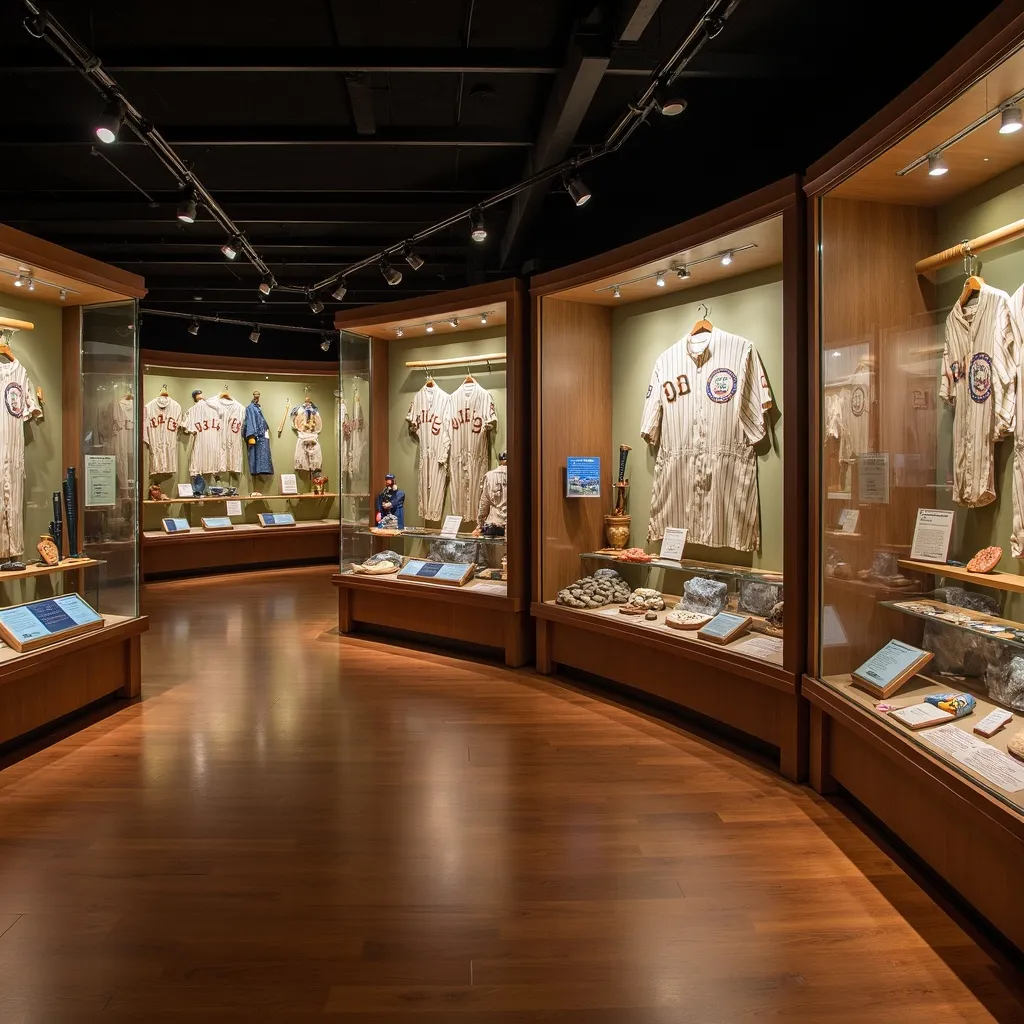
The National Ballpark Museum gives a distinctive glimpse into America's baseball heritage. Through its collection of artifacts and exhibits, guests can discover the sport's evolution alongside societal changes. Iconic uniforms and rare pictures tell stories of legends and their impact on the game. As groups interact with interactive exhibits, they discover how baseball remains connected with American culture. What insights might this museum unveil about the tomorrow of the sport?
The Remarkable Narrative of Baseball in America
Baseball, often referred to as America's pastime, has a storied past that intertwines with the cultural fabric of the nation. Emerging in the 1800s, the sport quickly gained popularity, reflecting the cultural shifts and local characteristics of the time. The creation of organized competitions transformed baseball into a cornerstone of American entertainment, with the National League forming in 1876 and the American League following in 1901.
Major moments, such as the incorporation of baseball in 1947 with Jackie Robinson, denoted notable cultural shifts, defying conventional norms and advancing civil rights. The game has also experienced celebrated figures, from Babe Ruth to Hank Aaron, whose impacts echo beyond the diamond. Iconic ballparks have hosted countless memorable moments, fostering a communal experience for fans. Overall, baseball functions as a mirror of American history, encapsulating triumphs, struggles, and the lasting spirit of a nation united by its passion for the game.
Historic Baseball Treasures You Shouldn't Overlook
While memories of iconic matches and significant events remain in the thoughts of fans, iconic baseball memorabilia acts as physical links to the sport's rich heritage. The National Ballpark Museum houses an remarkable assortment, featuring items that encapsulate the spirit of baseball's history. Visitors can marvel at classic jerseys donned by Hall of Famers, each thread telling a story of success and determination. Autographed baseballs, kept in glass cases, provide glimpses into personal connections between players and fans, while scarce images immortalize crucial events in baseball history.
Among the standout pieces are championship rings, denoting the peak of attainment, and vintage tickets that usher onlookers back to unforgettable games. Each relic cultivates reflection and appreciation for the game's progression. This carefully assembled collection not only spotlights the sport's watershed moments but also summons nostalgic emotions, reminding visitors of the abiding heritage of America's pastime.
Encounter the Legends: The Manner the Museum Celebrates Baseball Icons
Recognition of baseball legends dominates the atmosphere of the National Ballpark Museum, where visitors are invited to explore the lives and achievements of the sport's most iconic figures. The museum displays captivating exhibits that spotlight the careers of baseball stars, offering artifacts, photographs, and interactive displays that bring their stories to vivid detail. Each section is meticulously curated to reflect the unique contributions of players such as Babe Ruth, Jackie Robinson, and Hank Aaron, showcasing their impact both on and off the field.
The museum also hosts special events and guest speakers, providing fans with chances to hear firsthand accounts and insights from former players and historians. This dedication to honoring baseball icons fosters a deep connection between visitors and the legends who molded the game. Through its immersive environment, the National Ballpark Museum ensures that the legacy of these players keeps inspiring future generations of baseball enthusiasts.
Discover How Baseball Stadiums Have Evolved
As baseball has progressed through the decades, its stadiums have changed considerably to meet the changing needs of fans and players alike. Early ballparks were often basic, with wooden bleachers and minimal amenities, constructed mainly to serve the game itself. However, as the sport increased popularity, stadiums began to incorporate more features, such as better seating, concessions, and restrooms, improving the overall experience.
The introduction of modern technology led to significant advancements, including video scoreboards and improved sound systems. From a design perspective, stadiums evolved from the traditional, balanced layouts to increasingly distinctive, spectator-focused configurations, creating engaging spaces that showcase local culture. The rise of corporate sponsorships also shaped design, with premium suites and high-end accommodations becoming standard. Today, stadiums are versatile spaces, hosting shows and activities beyond baseball, highlighting their flexibility and significance in American culture. This evolution showcases not just a game, but a thriving gathering place.
Family-Friendly-Activities at the National Ballpark Museum
The National Ballpark Museum delivers a collection of child-appropriate activities that acknowledge the rich history of baseball and its celebrated stadiums. Families can take in hands-on experiences that inspire children to connect with the sport's history through hands-on displays. A search adventure throughout the museum prompts young visitors to investigate artifacts and discover about legendary players and significant events.
Moreover, the museum conducts learning programs where children can practice their baseball skills, learn about the science of the game, and take part in storytelling sessions about famous teams and their achievements. Notable occasions, such as family days, often feature guest speakers from the baseball community, offering a personal touch to the experience. With its captivating environment and diverse activities, the National Ballpark Museum cultivates a love for baseball, making it an ideal destination for families looking to connect over America's favorite pastime.
Map Out Your Trip to the National Ballpark Museum
Wondering about how to get the most from a tour to the National Ballpark Museum? Guests are advised to look at the museum's online platform for current hours and admission fees before planning their trip. Located in Denver, Colorado, the museum is conveniently accessible via public transportation and offers surrounding parking options. It is advisable to set aside at least two hours to explore the extensive exhibits, which showcase baseball history and memorabilia.
For people seeking a guided experience, the museum provides educational guided tours that delve more deeply into the pieces. Families can appreciate engaging exhibits, making it a memorable outing for all ages. Additionally, guests should reflect on planning their visit time to align with special events or changing displays for an better experience. Finally, the museum shop provides unique souvenirs for admirers to take home, ensuring that the visit creates a lasting impression.
Frequently Inquired Questions
What Are the Museum's Hours of Operation?
The museum functions from 10 AM to 5 PM, Tuesday through Sunday. It remains closed on Mondays, allowing staff to preserve displays and ready for the next day's visitors enthusiastic to explore its collections.
Do You Need to Pay an Entry Cost to Visit the Museum?
The museum demands a modest entry National Ballpark Museum entrance fee charge for entry. Guests can experience a abundant collection of exhibits and historical artifacts, strengthening their grasp of the sport's impact on American culture and history.
Can you join guided tours at the Museum?
Offered guided excursions at the museum provide visitors an in-depth experience. Expert guides discuss observations and anecdotes about the collections, deepening the understanding of baseball history and its cultural significance.
Can I Purchase Souvenirs at the Museum?
Souvenirs are offered for purchase at the museum. Visitors can find a variety of memorabilia, including apparel, collectibles, and themed items, enabling them to take home a piece of the memory from their visit.
Is the Museum Mobility Device Accessible?
The museum is easily accessible for wheelchairs, guaranteeing that all guests can navigate its exhibits with ease. Ramps and designated pathways are provided, encouraging inclusivity and allowing everyone to enjoy the rich history displayed within its walls.
Please visit one of our local supporters - True Joy Birthing Colorado Medicaid Doula Coverage
Report this page